
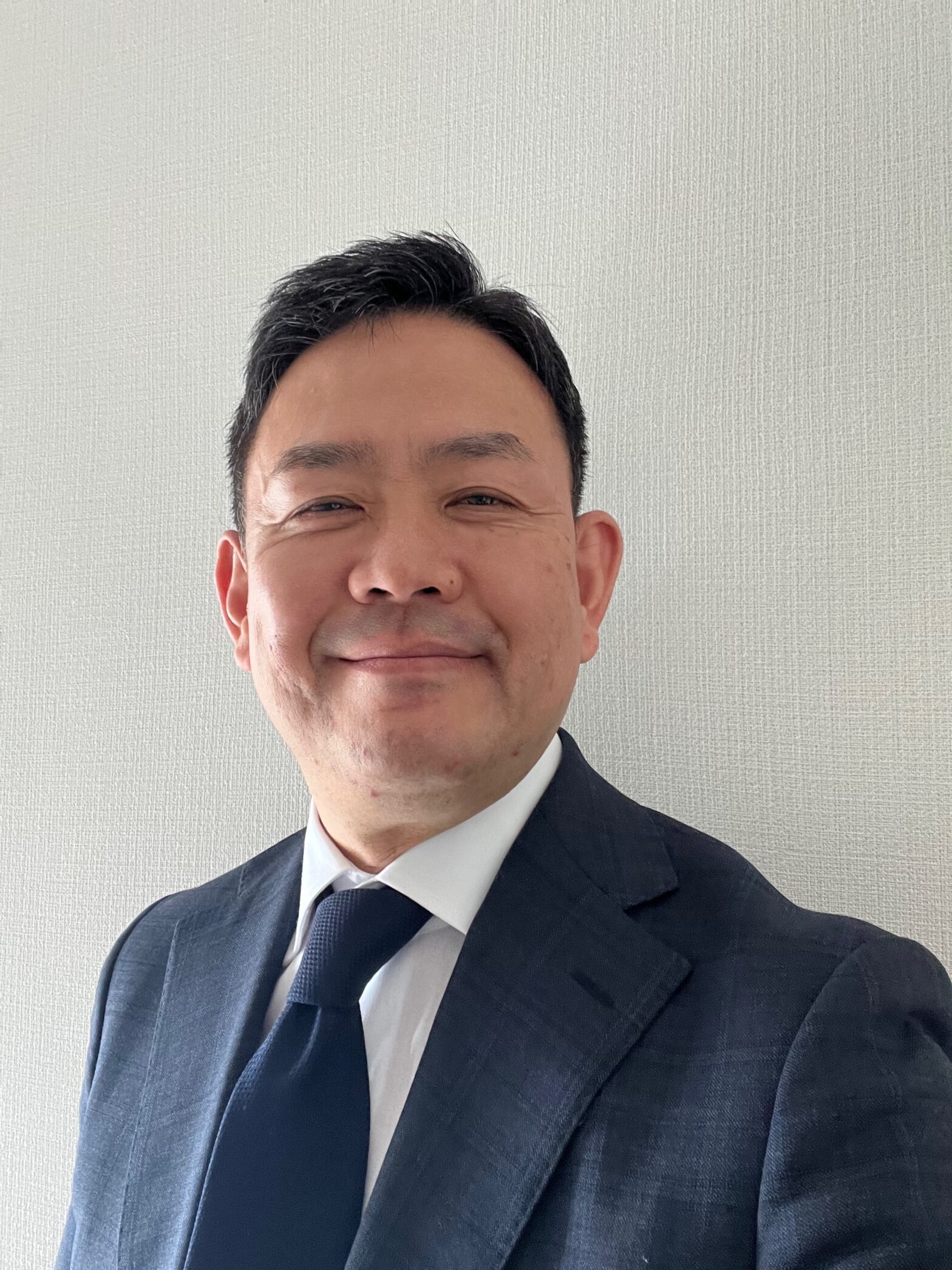
The Gendai Business article follows the case of a Rohingya man, Kin Maung So, to show that refugee protection is not “over” once recognition is granted. After repeated denials and the risk of deportation—alongside serious mental and physical strain—he brought a lawsuit, ultimately won refugee recognition on appeal, and obtained a stable status that allowed him to work and keep his family together. Yet even after that outcome, the deeper problem of statelessness—especially how to secure nationality for his children—remains unresolved.
Refugee recognition is an entry point, not a full solution
Refugee status can be life-changing: it can stabilize residence, open lawful work, and reduce the immediate fear of removal. But it is not a magic switch that makes all structural problems disappear. In real life, many parts of daily administration assume a functioning “home country channel”—identity documents, nationality verification, family registration, travel documents, consular procedures, and so on.
When that channel does not exist, or cannot be used, people are left navigating systems that were not designed for them. The result is a long, quiet aftershock: a person may be “protected,” yet still face a fragile life course because the legal foundations that most people take for granted are missing.
The core of statelessness: when the future of the family gets stuck
One of the most striking points is the difficulty of obtaining nationality for children. In many cases, parents can register a birth locally, then complete consular procedures so the child is recognized as a national of the parents’ country. But for the Rohingya, the article explains that the Myanmar government often does not recognize them as citizens in the first place, which means the usual confirmation route can fail at the most basic step.
This is where statelessness becomes more than a label: it shapes education, mobility, marriage, long-term planning, and even the sense of belonging. It can also “repeat” across generations if children cannot be recognized by any state. Statelessness is therefore not simply an individual hardship—it is a structural condition produced by politics and institutions.
The main point: deportation grounds and the ultimate “no destination” problem
The hardest issue, in my view, emerges if a stateless person commits an offense that would normally trigger deportation. In ordinary immigration logic, serious wrongdoing leads to removal. But in statelessness, a fundamental question appears:
Where do you deport someone to when there is no state willing or able to receive them?
Deportation requires a destination country, entry permission, and travel documentation. If any of those is missing, the state can decide on removal in principle but cannot execute it in practice. This creates a severe policy contradiction: society demands order and accountability, yet the usual “exit” mechanism—deportation—may be unavailable. Without a carefully designed alternative pathway, the person can become trapped in a legal and administrative limbo that satisfies neither protection nor public order.
Why I think this problem exists even with refugee recognition
This is not only a statelessness issue. Even when someone has a home country, refugee recognition is a decision that the person should not be returned on humanitarian grounds because of persecution risk. If the state has decided that removal would endanger the person’s life or safety, then the “send them back anyway because they committed a crime” instinct runs into a direct collision with that judgment.
In other words, refugee recognition is not just a compassionate label; it is a commitment that also carries the responsibility not to deport—even when the person later becomes socially problematic. Of course, wrongdoing must be addressed seriously. But relying on deportation as the primary solution may contradict the very basis of protection. That is why refugee policy is inherently difficult: it requires a governance design that includes public safety, rehabilitation, monitoring where appropriate, and real pathways to reintegration—rather than assuming deportation will always be available.
Closing: the maturity of a system is measured “after” recognition
The article made me feel, once again, that the true complexity of refugee protection lies in what comes next. Recognition can secure residence, but it does not automatically produce nationality, documentation, or a stable legal identity for the family. And when something goes wrong—especially in cases involving statelessness—the system can face the ultimate challenge: a person who cannot safely be removed and, in practical terms, cannot be removed at all.
That is why refugee recognition is such a hard policy area. The central question is not only “Should we recognize?” but also “How do we protect, integrate, and manage risk after recognition—without relying on deportation as the default exit?”